Your new users just signed up, but they’re still deciding if they trust you. The next few seconds are everything. They’re full of potential, and at the same time, they’re also full of uncertainty. New users want to believe they’ve made the right choice, but without trust, even the best product can feel overwhelming.
That’s where many onboarding experiences can make an error and fall short. Confusion, hesitation, or a lack of social proof can slow everything down. Clients take longer to see value, and teams spend more time hand-holding than they need to.
What Is Customer Onboarding?
Customer onboarding is the process of guiding new customers after they sign up for a product or service. The goal of onboarding is to help users understand how the product works and how it can solve their problems.
A good onboarding experience introduces customers to key features, explains the value of the product, and helps them achieve their first success quickly. This process may include welcome emails, tutorials, walkthrough videos, or product guides.
When onboarding is done well, new users feel confident using the product and are more likely to continue using it. On the other hand, if the onboarding experience is confusing or overwhelming, users may lose interest and stop using the product.
Why Onboarding Is Critical for Customer Retention
Customer onboarding plays a major role in determining whether users stay with a product or leave after trying it once.
When new customers sign up, they often have high expectations but a limited understanding of how the product works. If they struggle to see value quickly, they may become frustrated and abandon the product.
A strong onboarding process helps users reach their “aha moment” faster the point where they clearly understand the benefit of the product.
Effective onboarding can help businesses:
- Reduce customer churn
- Improve product adoption
- Increase long-term customer retention
- Build stronger relationships with users
This is why many successful companies treat onboarding as one of the most important stages of the customer journey.
How Video Testimonials Improve Onboarding
Video testimonials can make the onboarding experience more engaging and reassuring for new users. Instead of only reading product instructions, new customers get to see real people sharing their experiences and results.
Here are some ways video testimonials can improve the onboarding process.
1. Build Trust from the Start
When users sign up for a product, they may still be unsure if they made the right choice. Video testimonials help remove this uncertainty by showing real customers talking about their success with the product.
Seeing genuine feedback from other users builds immediate trust and confidence in the brand.
2. Reinforce the Product’s Value
During onboarding, it is important for new users to quickly understand the value of the product. Video testimonials help demonstrate how the product solves real problems.
When customers hear how others benefited from the product, it becomes easier for them to see how it can help them as well.
3. Encourage Product Adoption
Many users sign up for a product but never fully explore its features. Video testimonials can motivate new users to try different features and use the product more actively.
Hearing success stories from other customers often inspires new users to achieve similar results.
4. Make Onboarding More Engaging
Traditional onboarding often relies on text instructions and tutorials. While these are helpful, they may not always capture attention.
Video testimonials add a human element to the onboarding experience. Watching real customers share their stories makes the process more relatable and engaging for new users.
Why Video Testimonials Outperform Written Reviews
Let’s face it. Written reviews are helpful, but they only go so far. A few lines of text can’t capture someone’s excitement or show the impact your product actually had on their life.
Video testimonials, on the other hand? Those are different.
Your customers directly get to see someone’s face light up, hear the tone in their voice, catch the little bloopers and laughs that make it feel authentic and real. Raw honesty builds trust instantly.
In fact, almost 9 in every 10 marketers state that their users understand a product better if they’ve utilized video testimonials.
Video testimonials are the most powerful form of social proof.
People relate to other people. And when they see someone who looks or sounds like them saying, “This worked for me,” they’re far more likely to believe it. Social proof of this kind gives more credibility and increases the likelihood of opportunities popping up for making a conversion.
Embedding Testimonials Directly Into Your Onboarding Flow
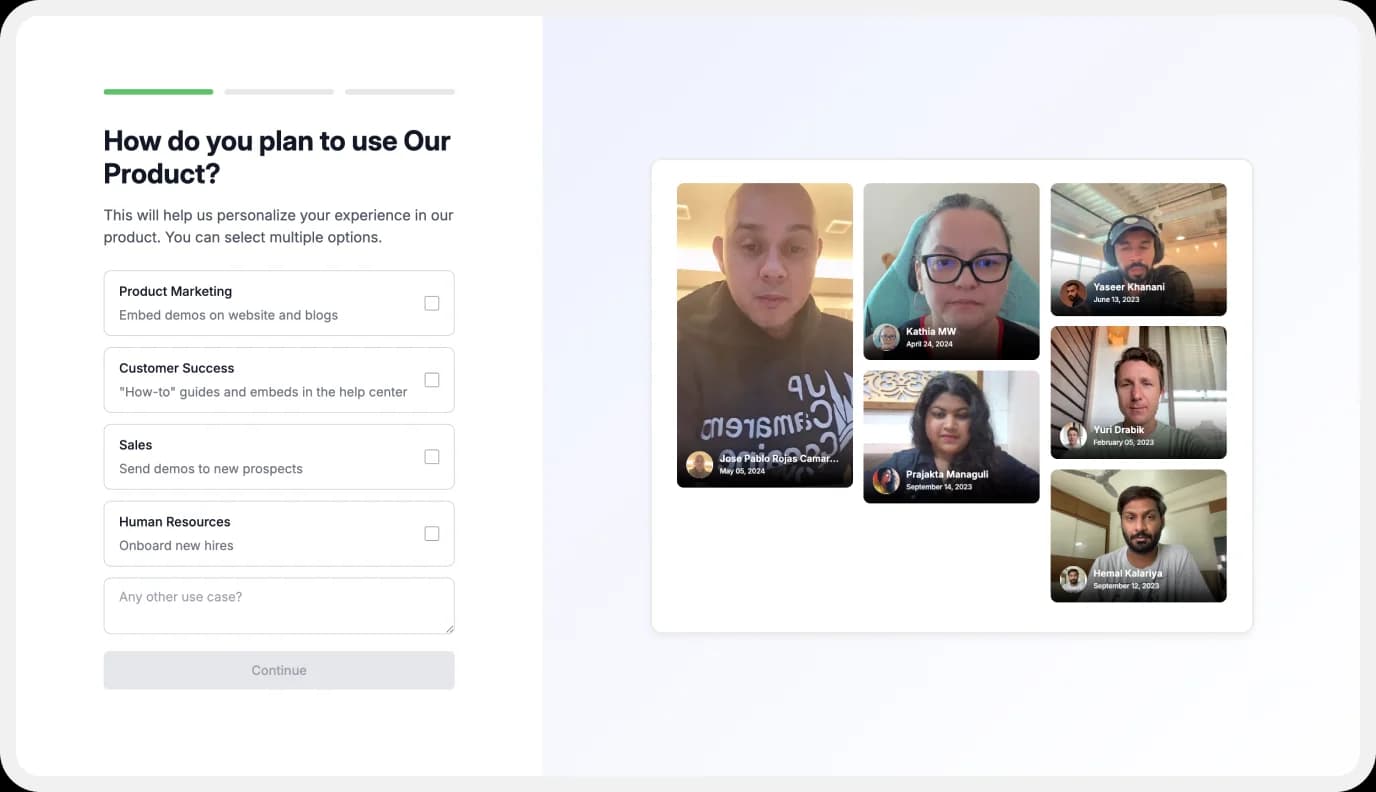
Let’s say that you manage to transform your testimonial collection requests and gather enough testimonials to make an impact. The question that arises now is what exactly do you do with it?
The best place to start? Right within your onboarding flow.
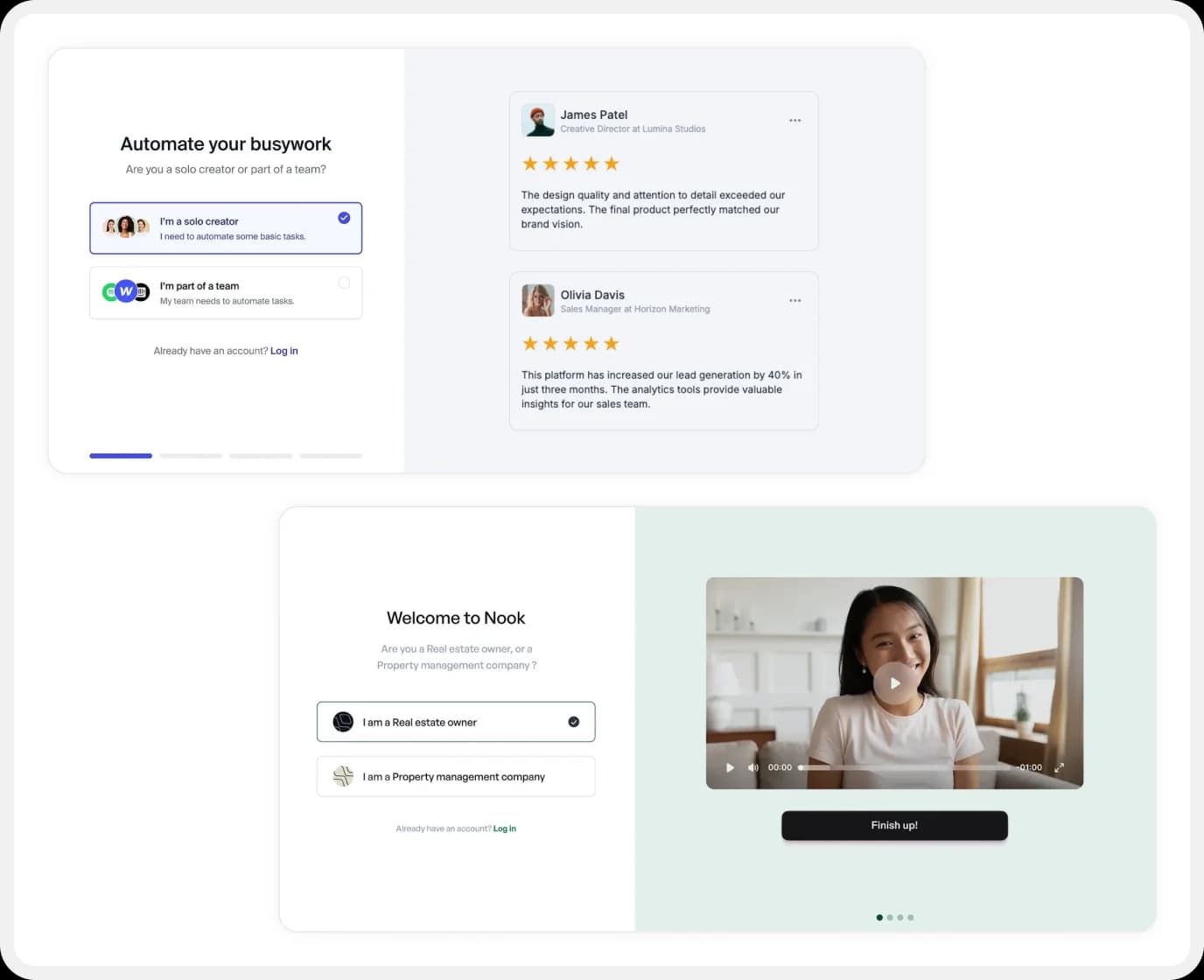
When someone’s just signed up, they’re looking for reassurance. A potential client realizing that there have been others who were in the same spot as they are in now, is a big factor in giving that final push. That kind of relatability eases nerves and builds confidence instantly.
Where to Place Video Testimonials for Maximum Impact in Onboarding
Stage 1: Welcome / Sign-up Confirmation
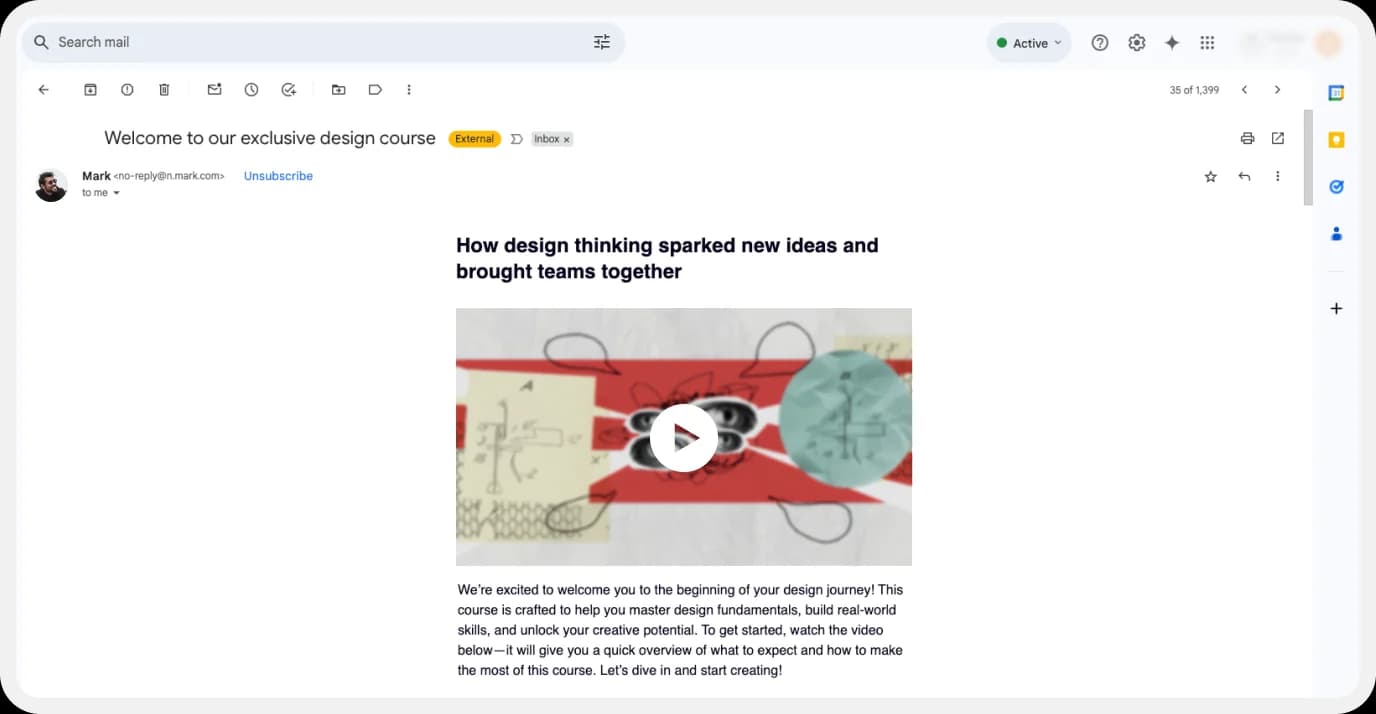
Testimonial Type: Quick video from a happy customer saying, “I was unsure at first, but this really helped me.”
Purpose: Adding a testimonial on the welcome page reassures new users right after sign-up. This removes any lingering doubts they might have about your product or service.
Stage 2: First Product Walkthrough / Tutorial
Testimonial Type: Someone explaining how they overcame early confusion. You could also add a testimonial from a customer who has spoken about how effective your customer support team was when faced with doubts.
Purpose: Encourage users to complete setup or onboarding steps. Simultaneously, you give them the confidence to reach out to you if they have any questions.
Stage 3: First Success Milestone
Testimonial Type: A user sharing how they saw value in the first few days. Adding a testimonial here that talks about the figures, impact, and statistics can also be an effective use case to demonstrate the versatility of your product.
Purpose: Reinforce that sticking with the product pays off. Additionally, it would help in retaining customers and giving them the inspiration to utilize your product in a way that they must not have considered before.
Stage 4: Upgrade / Expansion Prompt
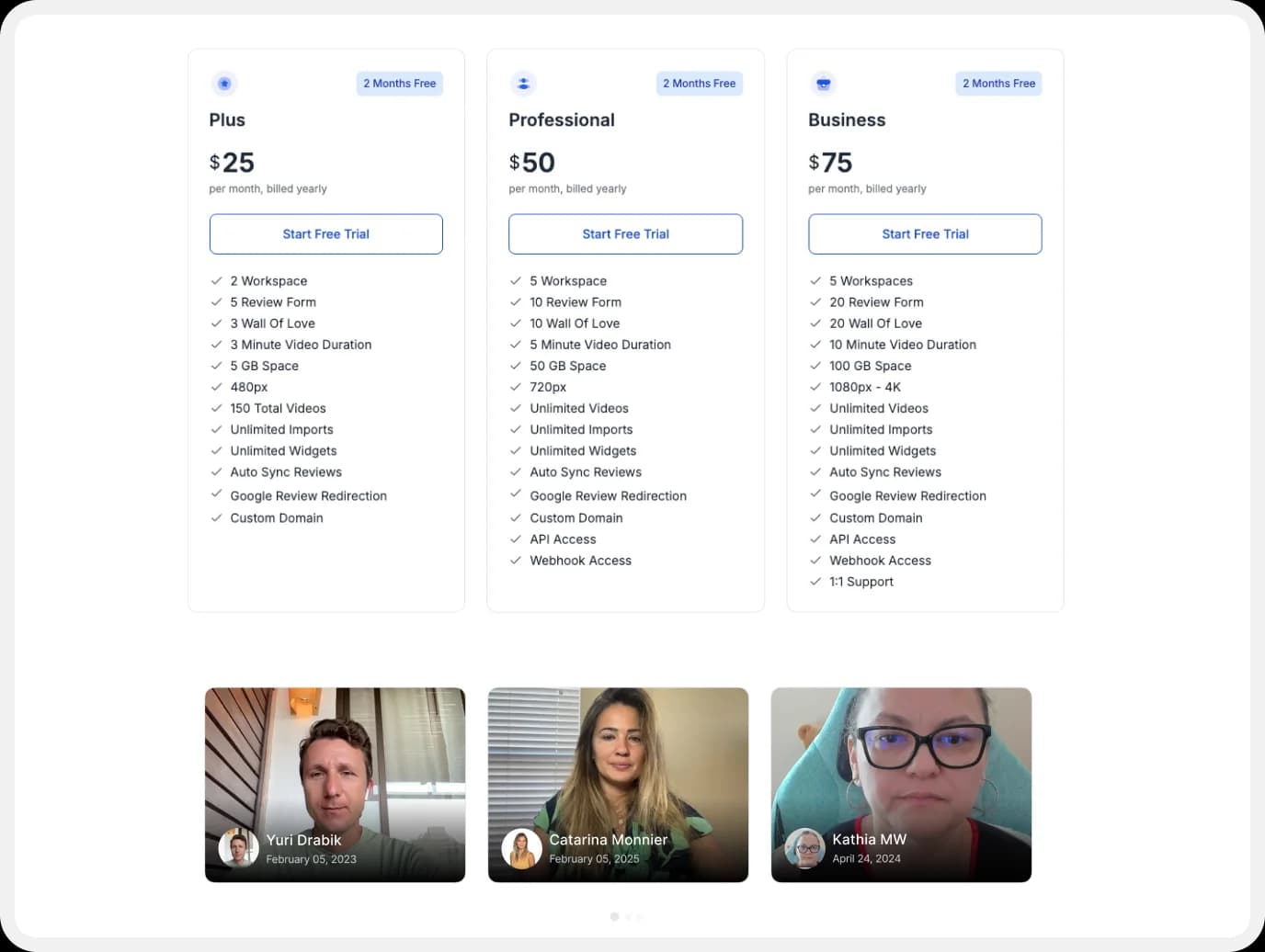
Testimonial Type: Customer explaining why they upgraded or expanded usage. Here, they could also emphasize the effectiveness of the upgrade and the product. Additionally, they could talk about the before and after with respect to upgrades.
Purpose: Influence decision-making at upsell moments. This also boosts customers that are facing uncertainty and can effectively acknowledge that their investment in your product/service is going to be useful for them.
From Onboarding to Advocacy: Building a Feedback Loop
Getting a customer right through onboarding is a definite win. But turning them into an advocate for your brand? That’s the real goal.
Let me tell you the secret: it’s to keep the conversation going throughout the customer journey. Feedspace makes it easy to collect fresh testimonials at key milestones—like when a customer finishes a tutorial, hits their first goal, or sticks around for a full year.
You can set up reminders, automate follow-ups, and build workflows that gather feedback without any extra effort from your team. It becomes a natural part of the journey.
And because these stories come straight from your happiest customers, they don’t just build trust. They build perpetual momentum. Before you know it, you’ve built a community of people advocating for your brand and telling others why they should too.
How to Use AI UGC & Avatars to Scale Onboarding Experiences
Real video testimonials will always be the gold standard. But there’s a growing place for tools like AI generated content and AI avatar, —especially when you’re trying to scale your onboarding experience.
These AI UGC tools can help you:
- Create consistent walkthroughs using AI avatars that feel personal and polished
- Benefit onboarding flows, making them more comprehensive and convincing.
- Simulate customer-style content for early-stage products that don’t have many real reviews yet
- Generate explainer videos for seamless onboarding and help with implementation for different use cases.
Used wisely, AI UGC doesn’t replace human stories. It fills in the gaps and helps you deliver a more comprehensive onboarding experience. With Feedspace, you can mix real testimonials with AI-powered visuals and strike the right balance between human connection and smart automation.
Why Feedspace Should Be Your Core Trust-Building Tool
Feedspace is a video testimonial software that helps businesses collect, manage, and showcase authentic customer feedback in one place.
At its core, onboarding is about making a human connection. That’s exactly what Feedspace helps you do.
It captures real feedback in a format that people can trust. Then it gives you the capacity to manage, capture, and share that feedback where it’ll have the biggest impact. Whether you’re trying to shorten time-to-value or encourage long-term loyalty, Feedspace has your back.
AI can help with consistency, but it’s the human stories that win people over. Feedspace makes sure you never run short on those.
Feedspace is free forever.🔥
Try Now!
Conclusion
If you want to speed up onboarding, build stronger relationships, and create long-term loyalty, it all starts with trust.
Real voices, seen on video, are the most powerful way to build that trust. And Feedspace makes the entire process, right from collection to showing off and embedding testimonials, a seamless experience.
Let your customers do the talking, and let their stories do the convincing. Try Feedspace today .
FAQs
1. What are video testimonials in onboarding?
Video testimonials in onboarding are customer videos that demonstrate real experiences with a product or service. They help new users understand the value of the product and build confidence.
2. Why are video testimonials useful during onboarding?
They provide social proof and show new customers how others have successfully used the product.
3. Where should onboarding testimonials be placed?
They can be used in welcome emails, onboarding dashboards, tutorial pages, and product walkthroughs.
4. How long should onboarding testimonial videos be?
Most effective testimonial videos are between 30 seconds and two minutes.